

led shaving mirror
Paano Palitan ang isang Water Valve Ang mga water valve ay mga mahalagang bahagi ng ating plumbing system. Sila ang nagkokontrol ng daloy ng tubig sa ating tahanan, kaya't mahalaga na maayos ang kanilang kondisyon. Kung ikaw ay nakakaranas ng mga problema sa iyong water valve, maaaring oras na upang palitan ito. Narito ang isang detalyadong gabay kung paano palitan ang isang water valve. 1. Pagkilala sa Uri ng Water Valve Bago ang anumang hakbang, mahalagang malaman ang uri ng water valve na kailangan mong palitan. Mayroong iba't ibang klase ng valve tulad ng ball valve, gate valve, at globe valve. Ang bawat isa ay may kanya-kanyang mekanismo at paggamit. Suriin ang valve na nasa iyong bahay at alamin kung ano ito. Ang isang ball valve ay madalas makikita sa mga main water supply, habang ang gate valve ay karaniwang ginagamit para sa mga section ng plumbing system. 2. Paghandaan ang mga Kagamitan Bago simulan ang proseso ng pagpapalit, siguraduhing mayroon kang mga kinakailangang kagamitan. Narito ang mga bagay na kakailanganin mo - Wrench o pliers - Screwdriver - Bucket o lalagyan para sa tubig - Teflon tape o sealing compound - Bagong water valve Siguraduhin ding mayroong masilungan na pwesto para sa iyong trabaho at ilagan ang mga gamit na maaaring makasagabal. 3. Pagsasara ng Suplay ng Tubig Ang unang hakbang sa pagpapalit ng water valve ay ang pagsasara ng suplay ng tubig. Hanapin ang main shut-off valve sa iyong bahay at isara ito. Matapos isara ang valve, buksan ang gripo sa pinakamataas na bahagi ng bahay upang ma-drain ang tubig sa mga tubo. Ito ay makakatulong upang maiwasan ang pagdami ng tubig habang nagtatrabaho. 4. Pagsasara ng Valve replace a water valve Gamit ang wrench o pliers, tanggalin ang mga koneksyon mula sa lumang water valve. Kung ang valve ay may mga bolt na nakakabit, maaaring kailanganin mong gumamit ng screwdriver para sa mga ito. Hawakan ang tubo ng maayos upang hindi ito makalangoy o masira habang tinatanggal ang valve. Ilagay ang lumang valve sa balde o lalagyan upang hindi ito magdulot ng kalat. 5. Pag-install ng Bagong Water Valve Kapag natanggal mo na ang lumang valve, oras na upang i-install ang bago. Bago ikabit ang bagong valve, siguraduhing linisin ang mga bahagi ng tubo upang matiyak na walang mga debris na makakaapekto sa koneksyon. Ilagay ang Teflon tape sa mga thread ng bagong valve bago ito ikabit upang maiwasan ang pagtagas ng tubig. Kapag nailagay na ang tape, ikabit ang bagong valve sa tubo. Gamitin ang wrench upang higpitan ang mga koneksyon, ngunit mag-ingat na huwag masyadong higpitan at masira ang mga ito. 6. Pagsubok at Pag-ayos ng Leak Matapos ang pag-install, buksan ang main shut-off valve upang ibalik ang suplay ng tubig. Suriin ang bagong valve para sa anumang tagas. Kung may napansin kang tubig na nanginginig o tumutulo, maaaring kailanganin mong higpitan pa ang ilang koneksyon o i-check ang sealing tape na ginamit. Kung maayos na ang lahat at walang tagas, congratulations! Matagumpay mong napalitan ang iyong water valve. 7. Pagtatapos at Paglilinis Kapag natapos na ang lahat, siguraduhing linisin ang iyong pinagtrabahuhan. Itapon ang lumang valve at mga debris na naiwan. Mahalaga ito hindi lamang para sa iyong kalinisan kundi para rin sa tamang pag-aalaga sa iyong plumbing system. Ang pagpapalit ng water valve ay hindi sakit ng ulo kung ikaw ay maingat at handa. Sa mga simpleng hakbang na ito, maaari kang makalikha ng mas maayos na daloy ng tubig sa iyong tahanan. Kung hindi ka sigurado sa proseso, huwag mag-atubiling humingi ng tulong mula sa isang propesyonal na plumber.
about
led shaving mirror
Understanding Butterfly Valve Seat Types Butterfly valves are widely used in various industrial applications for regulating flow. One of the critical components of butterfly valves is the seat. The seat provides the sealing surface between the valve body and the disc, ensuring that the valve performs its function of controlling flow effectively. Various types of butterfly valve seats exist, each designed for specific applications and operational needs. This article will explore the different types of butterfly valve seats, their materials, configurations, and their applications. Types of Butterfly Valve Seats 1. Soft Seated Valves Soft seated butterfly valves have a seat made from elastomers or soft materials like rubber or PTFE (Polytetrafluoroethylene). These materials provide an excellent sealing capability, making them ideal for applications where a complete seal is vital. Soft seats are typically used in water, gas, and lower-pressure systems. They can effectively handle moderate temperatures and pressures, making them suitable for many general-purpose applications. 2. Metal Seated Valves Metal seated butterfly valves utilize a hard seat, usually made from metal alloys, which enhances durability and resistance to wear. These seats are ideal for high-temperature and high-pressure applications, where soft seats may fail. Metal-seated valves are commonly used in the oil and gas, chemical processing, and power generation industries. They offer excellent longevity and resistance to abrasive materials, making them suitable for harsh operating environments. 3. Fire-Safe Seats Fire-safe butterfly valve seats are designed to maintain a seal even under extreme temperatures and in the event of a fire. These seats are typically made with additional materials that can withstand high temperatures, ensuring that the valve retains its functionality during a fire emergency. Fire-safe butterfly valves are critical in industries dealing with flammable substances, such as petrochemicals and pharmaceuticals, where safety is paramount. 4. High Performance Seats High-performance butterfly valve seats are engineered for applications requiring precise control and tight sealing. These seats often combine various materials, including metal and elastomers, to achieve optimal sealing performance across a broader range of temperatures and pressures. High-performance seats are ideal for industries such as water treatment, pulp and paper, and HVAC systems, where reliability and efficiency are essential. Material Considerations The material used for butterfly valve seats is crucial, as it affects the valve’s performance, lifespan, and suitability for specific applications . Here are some common materials used for butterfly valve seats - EPDM (Ethylene Propylene Diene Monomer) Commonly used for soft seating, EPDM offers good chemical resistance and is suitable for various applications, including water and steam. However, it may not be compatible with certain oils and fuels. butterfly valve seat types - Nitrile (Buna-N) This material is known for its excellent resistance to petroleum products and is commonly used in oil and gas applications. However, it has limitations in high-temperature conditions. - PTFE PTFE is a versatile material with outstanding chemical resistance and can withstand high temperatures. It's often used in applications involving aggressive chemicals. - Metal Alloys For metal seats, materials like stainless steel and alloy compositions are preferred. These metals provide excellent resistance to wear and high-temperature capability. Choosing the Right Seat When selecting the appropriate butterfly valve seat type, consider the following factors - Application Requirements Analyze the specific needs of your application, such as pressure, temperature, and the nature of the fluid being controlled. - Material Compatibility Ensure that the seat material is compatible with the media it will come into contact with. This is crucial for preventing degradation and ensuring the valve functions effectively over time. - Performance Expectations Decide whether a soft or metal seat is necessary based on performance requirements. Soft seats are typically adequate for standard applications, while metal seats are preferable for extreme conditions. Conclusion Understanding the different types of butterfly valve seats is essential for selecting the right valve for any application. Each seat type has unique characteristics that make it suitable for specific environments and operational needs. By considering factors such as material compatibility, application requirements, and expected performance, industries can choose the most effective butterfly valve solutions that enhance reliability, efficiency, and safety in their processes. As technology advances, new materials and designs may further improve the functionality of butterfly valves, making them even more integral to industrial operations.
-

High quality industrial productsagement

High quality industrial products
View Details -

Meet the diverse needs of customers

Meet the diverse needs of customers
View Details -

Strict quality control

Strict quality control
View Details -

Top raw materials

Top raw materials
View Details -

Trusted supplier

Trusted supplier
View Details
Our application

news and information
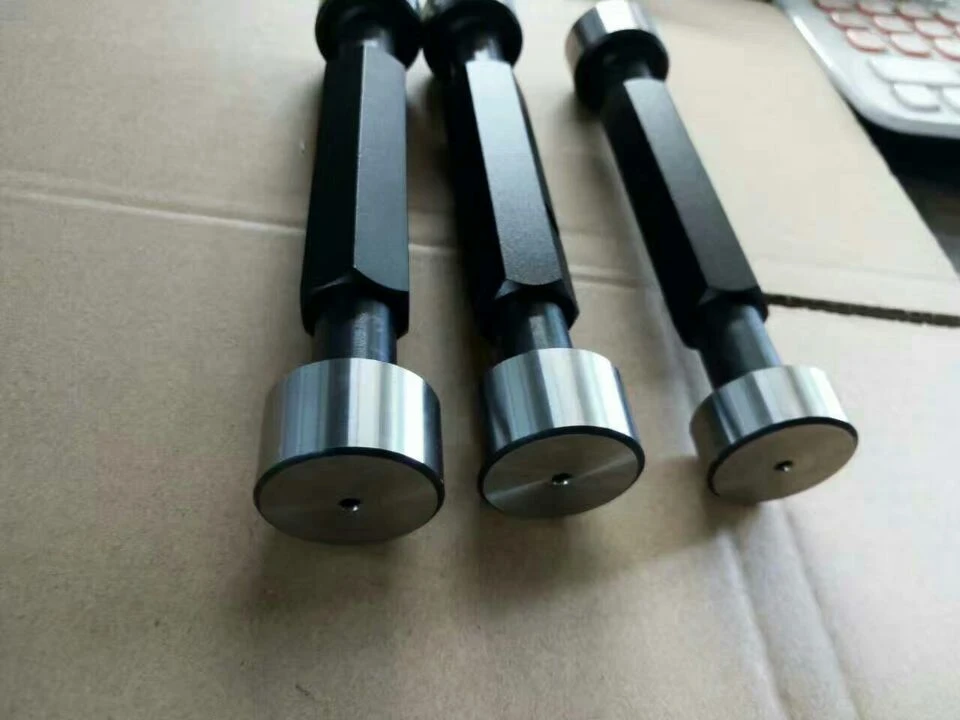
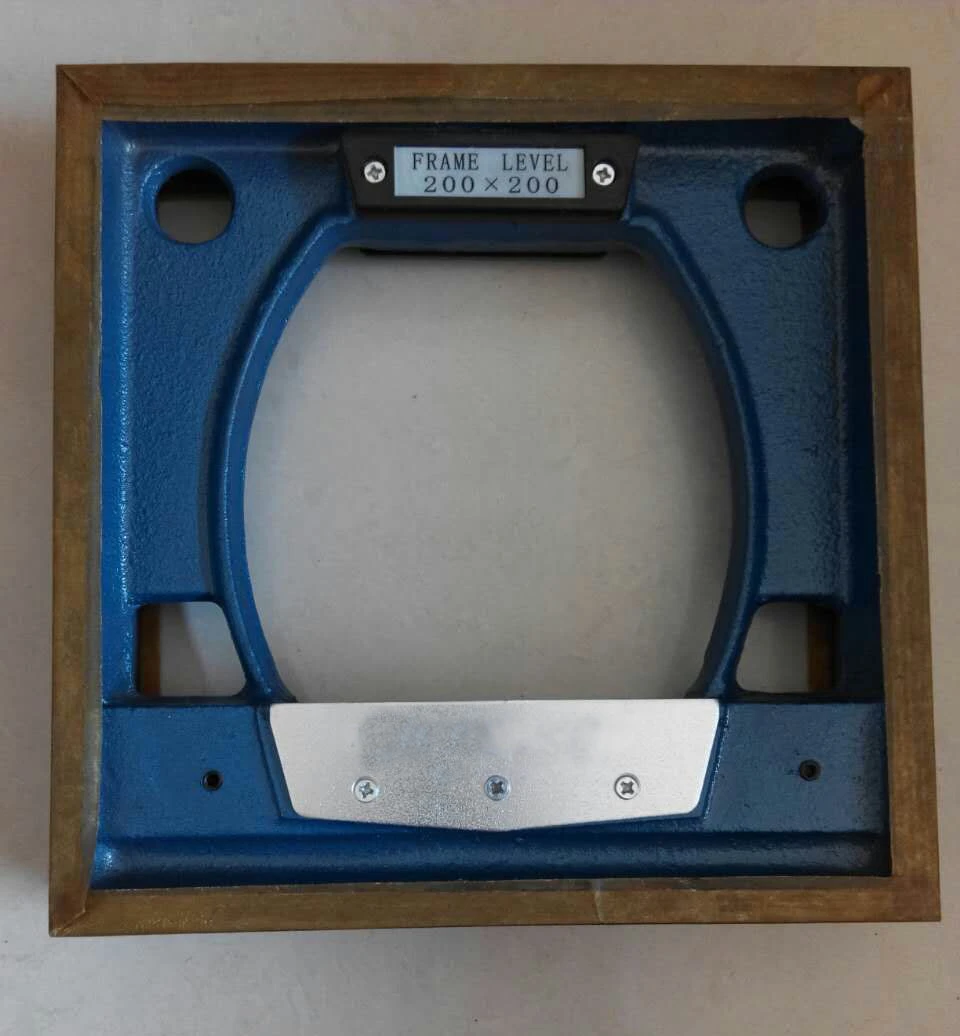
Using a Level to Align a Marking Ruler for Precision Measurements
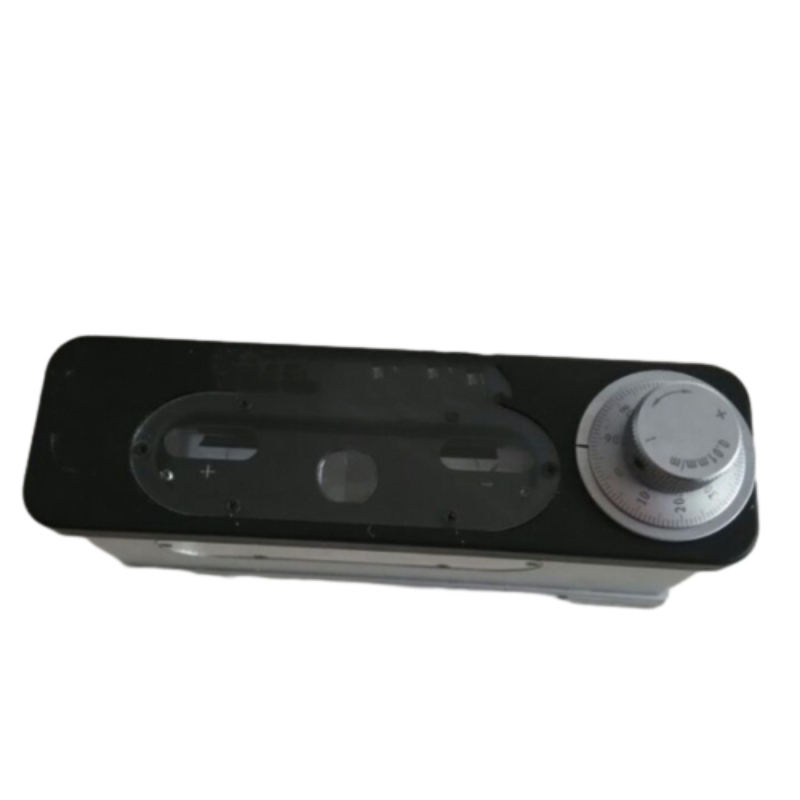
marking ruler with spirit level .
Water Cut-Off Valve for Efficient Flow Control and Leak Prevention in Plumbing Systems
Understanding Water Cut-Off Valves A Crucial Component in Modern Water Management Water cut-off valv
Valve Types & Applications
The valve industry is a cornerstone of modern infrastructure, serving critical roles in plumbing, oi
 English